Lawn care
How a Made-to-Measure Tree Project Runs Start to Finish
See how a custom tree care project moves from first call to final walk-through with Bartlett Tree Experts, and what to expect at each step.
By Bartlett Tree Experts5 min readUpdated 1 October 2026
A made-to-measure tree project runs in five stages: a site consultation with a certified arborist, a written diagnosis and plan, a scoped estimate, scheduled installation with the crew, and a follow-up inspection. Each stage adjusts to the property, the species on site, and the season, so no two projects look identical.
At Bartlett Tree Experts, we've been shaping this workflow since 1907, and the bones haven't changed much. What has changed is the science behind each step. Soil analysis, pest diagnostics, and structural pruning standards all evolve. The order of operations does not.
What happens during the first site visit?
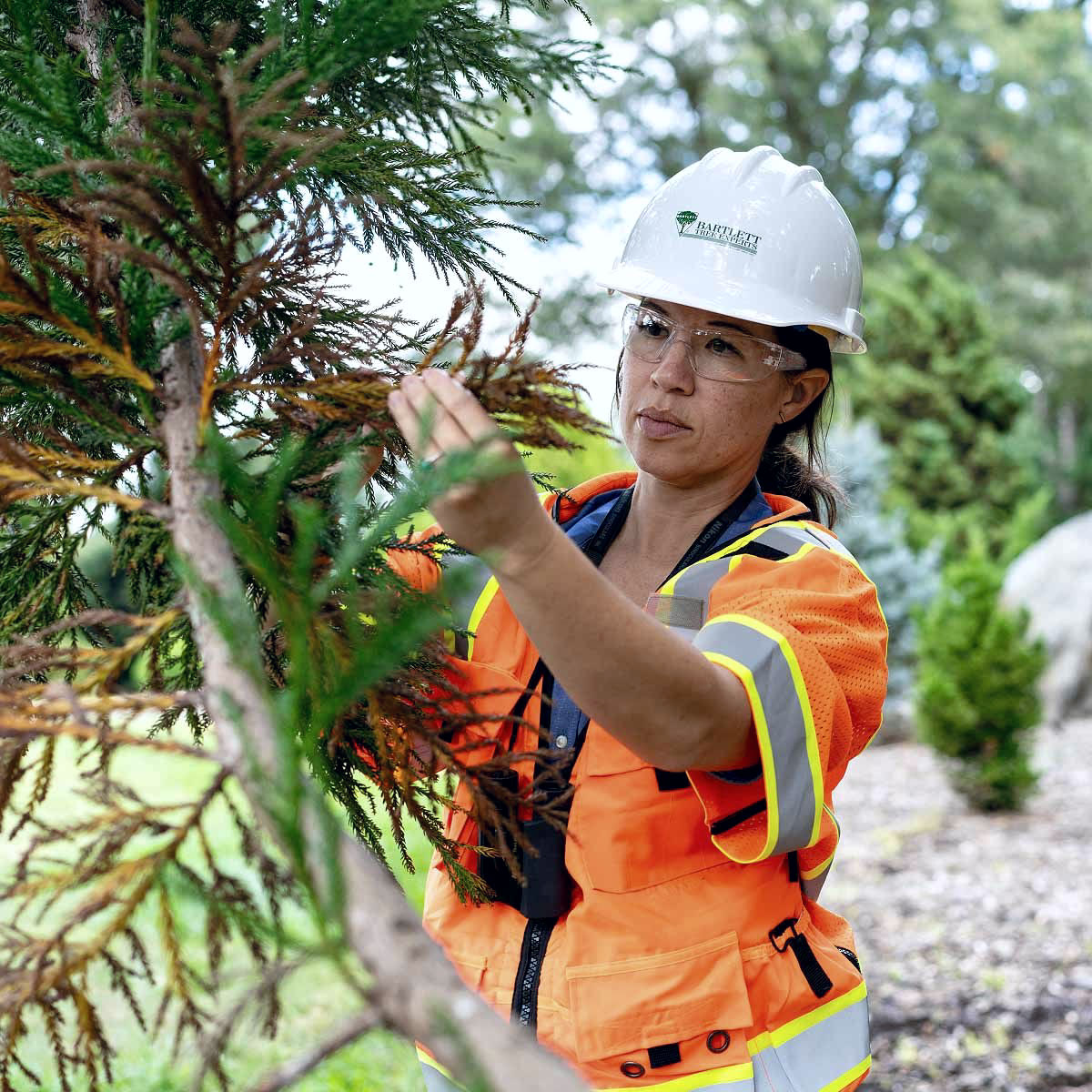
The first visit is a conversation, not a sales pitch. An ISA certified arborist walks the property with you, listens to what you've noticed, and looks at what you haven't. Cracks in bark. Girdling roots. A canopy that's grown into the utility line. We take notes, sometimes samples.
Here's a scenario we see often. A homeowner calls about one struggling oak. On site, the arborist finds the oak is fine, but two neighbouring maples are showing early signs of decline that would've become emergencies within a season. That reframes the whole project. Before the visit, it helps to know how to prepare for the measurement visit so we can use the hour well.
Most people ask first about price. That's the wrong first question. Ask about the diagnosis, because a wrong diagnosis makes the price meaningless.
How is the plan actually built?
After the visit, the arborist writes up findings and matches them to services. This is where "made-to-measure" earns its name. We don't hand out one-size packages. A plan might combine air spading, cabling, deep-root fertilisation, and a fungicide schedule, or it might be a single pruning cycle.
The written plan typically covers:
- The trees and shrubs assessed, with species and general condition noted for each specimen.
- The specific issues found, from soil compaction to fungal infection to structural weakness.
- The recommended services in priority order, so urgent work is separated from long-term maintenance.
- The estimated time on site for the crew and any equipment needed for access.
- Seasonal timing notes, because some treatments only work in specific windows.
- Follow-up recommendations, including whether a return visit is warranted within the year.
- A clear contact point on our team for questions before work begins.
If you want to see the kinds of questions we work through at this stage, our guide on planning a bespoke tree care project covers the ground.
Which service tier fits which property?
Not every property needs the full workup. Here's how the tiers usually break down.
| Project type | Typical scope | Best for | When it's not right |
|---|---|---|---|
| Single-visit service | One pruning, one treatment, one removal | Small lots, one problem tree | Multiple trees showing stress |
| Seasonal program | Recurring visits across the year | Mature landscapes, mixed species | Brand-new plantings |
| Full property plan | Diagnosis, treatment, monitoring, soil work | Estates, commercial sites, heritage trees | Renters, short-term ownership |
The tier isn't about budget. It's about how much biology is in play. A single ancient live oak can need more attention than an acre of young ornamentals.
What does installation day actually look like?
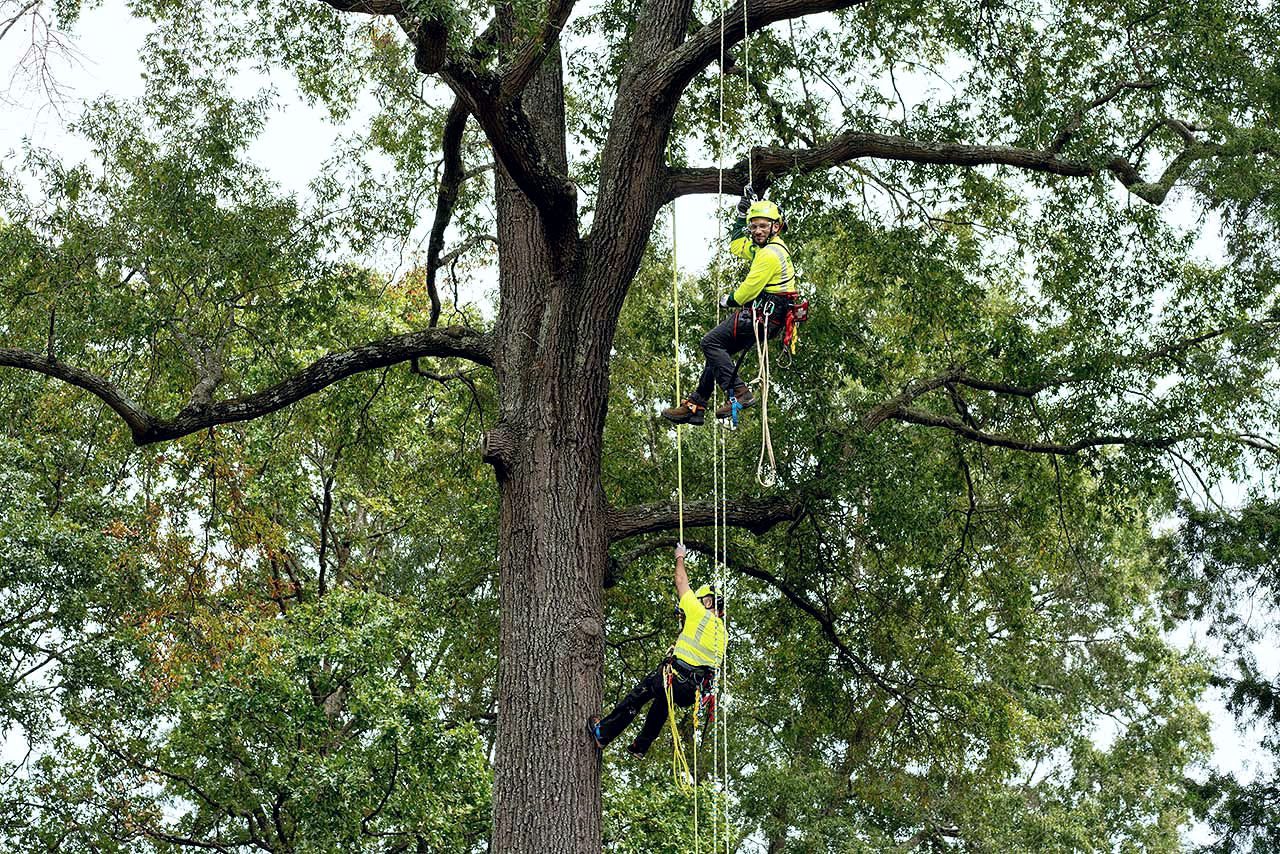
Crews arrive with the plan in hand. The foreman walks the site before anything starts, confirms access, tarps the drop zones, and briefs the team. Work follows the sequence in the plan, not improvisation. Safety practices are audited, which is why our teams have collected safety awards year after year.
You don't need to be home. Most clients aren't. We do ask that pets stay inside and that vehicles move off the driveway if we need chipper access. Cleanup is part of the job, not an add-on. Sawdust gets blown, ruts get raked, and the foreman does a final walk before leaving.
Try this: after the crew leaves, walk the property once with the written plan in hand. Match what was done to what was scoped. If something looks off, call. We'd rather hear it that day.
When does the project actually end?
It doesn't, really. Trees keep growing. Soil keeps shifting. What ends is the current work order. What continues is the relationship, if you want one. A follow-up inspection, typically within a season, confirms the treatment worked and flags anything new. The ISA[1] and TCIA[2] both recommend recurring assessment for mature trees, and we agree.
Bartlett Tree Experts staffs over 3,000 people across more than 125 offices, and every one of those offices runs projects the same way. Local crews, one method.
FAQ
How long does a typical project take from first call to finish?
Small single-service jobs can move from call to completion within a couple of weeks, depending on season and crew load. Larger diagnostic projects with multiple treatments run longer because some services must be spaced across specific growing windows. The written plan will give you a realistic timeline.
Do we need to be home for the work?
No. Most clients aren't present on installation day. We need site access, a clear staging area, and a way to reach you by phone if something unexpected comes up. The foreman documents the work and does a final walk-through before leaving.
What if the plan needs to change mid-project?
It happens. A crew might find internal decay that wasn't visible during the consultation, or weather might shift the schedule. We stop, call, and revise the scope in writing before continuing. Nothing outside the original estimate gets billed without your approval.
Is a follow-up visit included?
For diagnostic and treatment projects, a follow-up assessment is typically part of the plan. For single-service jobs like a one-time removal, it isn't standard but can be added. Ask during the estimate stage so it's built into the scope from the start.